Frequently Asked Questions
What are the benefits of optically clear mount film?
The benefits of optically clear mount film include its ability to enhance image clarity and vibrancy while providing a seamless appearance. This film is ideal for preserving visual quality and ensuring compatibility with various surfaces, making it a versatile choice for mounting applications.
How is optically clear adhesive applied to acrylic?
The application of optically clear adhesive to acrylic involves cleaning the surface thoroughly, aligning the adhesive with the acrylic, and then applying pressure evenly to ensure a strong bond without air bubbles.
What surfaces are compatible with mounting adhesives?
The surfaces compatible with mounting adhesives include a variety of materials such as paper, glass, metal, wood, and plastic. These adhesives are designed to bond effectively to both porous and non-porous surfaces, ensuring versatile application.
Can optically clear mounting adhesive be repositioned?
Optically clear mounting adhesive can be repositioned, allowing for adjustments during application without compromising its clarity or effectiveness. This feature makes it ideal for precise placements in various projects.
What are the specifications of Facemount adhesive?
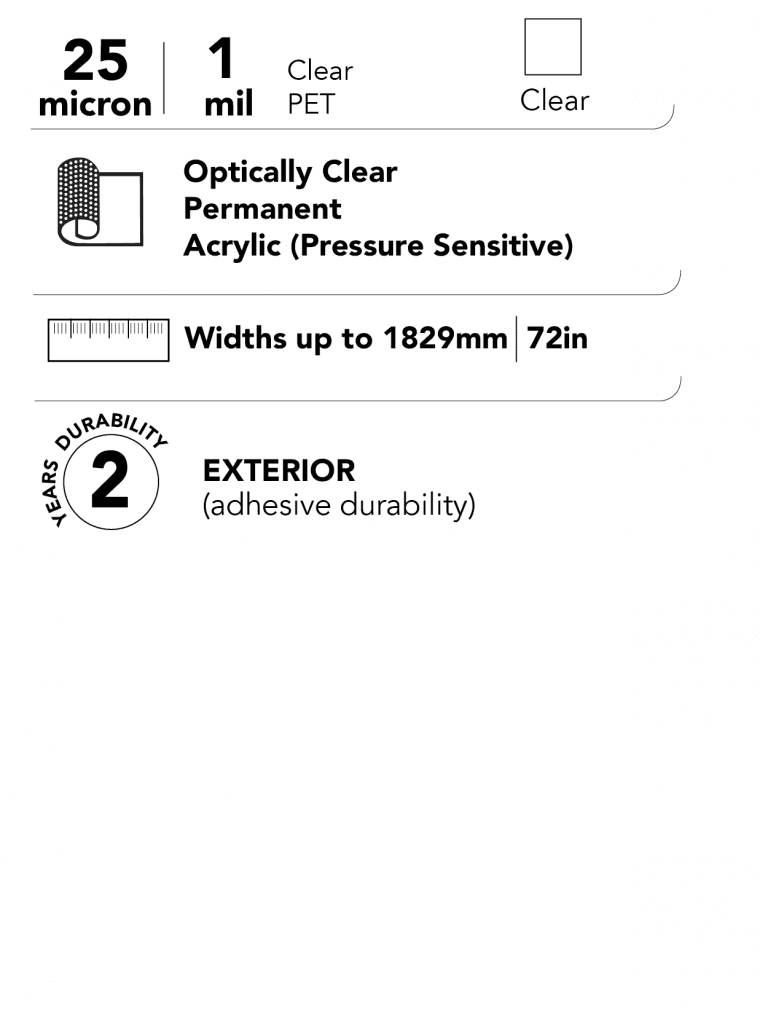
The specifications of Facemount adhesive include its optically clear formulation, repositionability, and compatibility with a variety of surfaces, making it ideal for high-quality mounting in printing and graphic display applications.
How does optically clear adhesive enhance display quality?
Optically clear adhesive enhances display quality by providing a flawless, transparent bond that eliminates distortion and preserves image clarity. This ensures vibrant colors and sharp details, resulting in a visually stunning presentation that captivates viewers.
What applications use optically clear mount film?
Optically clear mount film is used in various applications, including fine art reproduction, photographic displays, and signage, where clarity and visual impact are essential for showcasing images without distortion.
Is optically clear adhesive suitable for outdoor use?
Optically clear adhesive is suitable for outdoor use, as it is designed to withstand various environmental conditions while maintaining its clarity and adhesion properties.
How to properly apply optically clear mounting adhesive?
Proper application of optically clear mounting adhesive involves ensuring both surfaces are clean and dry, then applying the adhesive evenly. Press firmly to eliminate air bubbles and allow it to set according to the manufacturer's instructions for optimal results.
What is the drying time for mounting adhesives?
The drying time for mounting adhesives varies depending on the specific product and environmental conditions. Typically, most mounting adhesives reach a tacky state within minutes, but full curing may take several hours to 24 hours.
Are there any safety precautions for using adhesives?
Safety precautions for using adhesives include working in a well-ventilated area, wearing gloves and protective eyewear, and following the manufacturer's instructions for proper handling and application to minimize risks.
How does temperature affect adhesive performance?
Temperature significantly impacts adhesive performance. High temperatures can accelerate curing and bonding, while low temperatures may slow down these processes or reduce adhesion strength, potentially leading to failure in applications.
What is the shelf life of mounting adhesives?
The shelf life of mounting adhesives varies by product, but generally, it is around 12 to 24 months when stored properly in a cool, dry place, away from direct sunlight and extreme temperatures.
Can optically clear mount film be used on glass?
Optically clear mount film can indeed be used on glass. It adheres well, providing a seamless and visually appealing finish for displays and graphics.
What are the best practices for adhesive storage?
The best practices for adhesive storage include keeping adhesives in a cool, dry place, away from direct sunlight and extreme temperatures, and ensuring containers are tightly sealed to prevent contamination and evaporation.
How to remove optically clear adhesive from surfaces?
Removing optically clear adhesive from surfaces can be done by gently heating the area with a hairdryer to soften the adhesive, then carefully peeling it away or using a plastic scraper. For stubborn residue, a mild adhesive remover can be applied.
What makes Facemount adhesive unique in the market?
The uniqueness of Facemount adhesive in the market lies in its optically clear formulation, allowing for seamless visual clarity, along with its repositionability and compatibility with diverse surfaces, making it ideal for high-quality graphic displays.
How does humidity impact adhesive bonding?
Humidity impacts adhesive bonding by affecting the moisture content of surfaces and the adhesive itself. High humidity can lead to weaker bonds due to moisture interference, while low humidity may enhance adhesion by promoting better surface contact.
What tools are needed for adhesive application?
The tools needed for adhesive application include a clean, flat surface, a utility knife for trimming, a squeegee for smoothing, and a measuring tape for precise placement. These ensure optimal adhesion and a professional finish.
Can optically clear adhesive be used for photos?
Optically clear adhesive can indeed be used for photos. It provides a transparent finish that enhances image clarity while ensuring a strong bond, making it ideal for mounting photographs without compromising their visual quality.
What is the curing process for mounting adhesives?
The curing process for mounting adhesives involves the gradual evaporation of solvents or the chemical reaction of components, allowing the adhesive to achieve its optimal bonding strength and clarity. This process typically requires a controlled environment to ensure effective adhesion.
How to achieve a bubble-free adhesive application?
Achieving a bubble-free adhesive application requires careful surface preparation and technique. Start by ensuring both surfaces are clean and dust-free, then apply the adhesive evenly, using a squeegee to push out any trapped air.
What are common mistakes when using mounting adhesives?
Common mistakes when using mounting adhesives include improper surface preparation, applying too much adhesive, and not allowing adequate curing time. These errors can lead to poor adhesion and affect the overall quality of the mounted display.
How does optically clear film protect printed materials?
Optically clear film protects printed materials by providing a durable barrier against physical damage, moisture, and UV light, ensuring that colors remain vibrant and the surface is safeguarded from scratches and fading over time.
What is the difference between mounting and laminating?
The difference between mounting and laminating lies in their purposes and processes. Mounting involves adhering a print to a rigid surface for display, while laminating entails applying a protective layer over a print to enhance durability and appearance.
How to clean surfaces before applying adhesive?
Cleaning surfaces before applying adhesive involves ensuring they are free from dust, grease, and moisture. Use a mild detergent solution or solvent, then wipe with a clean, lint-free cloth to achieve optimal adhesion.
What are the environmental considerations for adhesives?
The environmental considerations for adhesives include their chemical composition, VOC emissions, biodegradability, and the impact of their production and disposal on ecosystems. Choosing eco-friendly adhesives can minimize environmental harm and promote sustainability.
How to test adhesive strength after application?
Testing adhesive strength after application involves applying a controlled force to the bonded surfaces and observing for any separation or failure. Use a peel test or shear test to evaluate the bond's effectiveness and ensure it meets your requirements.
What industries benefit from optically clear adhesives?
The industries that benefit from optically clear adhesives include printing, graphic displays, photography, and signage. These adhesives are essential for applications requiring high transparency and visual clarity, enhancing the quality of the final product.