
Guest Authored by Sandra Ondas, National Product Manager at ND Graphics.
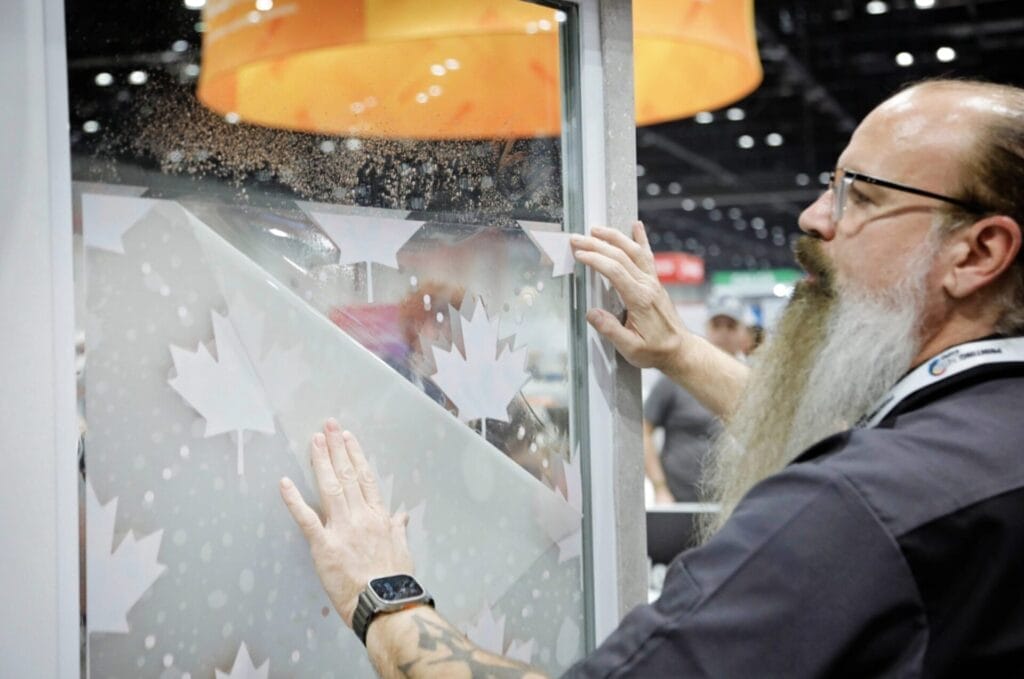
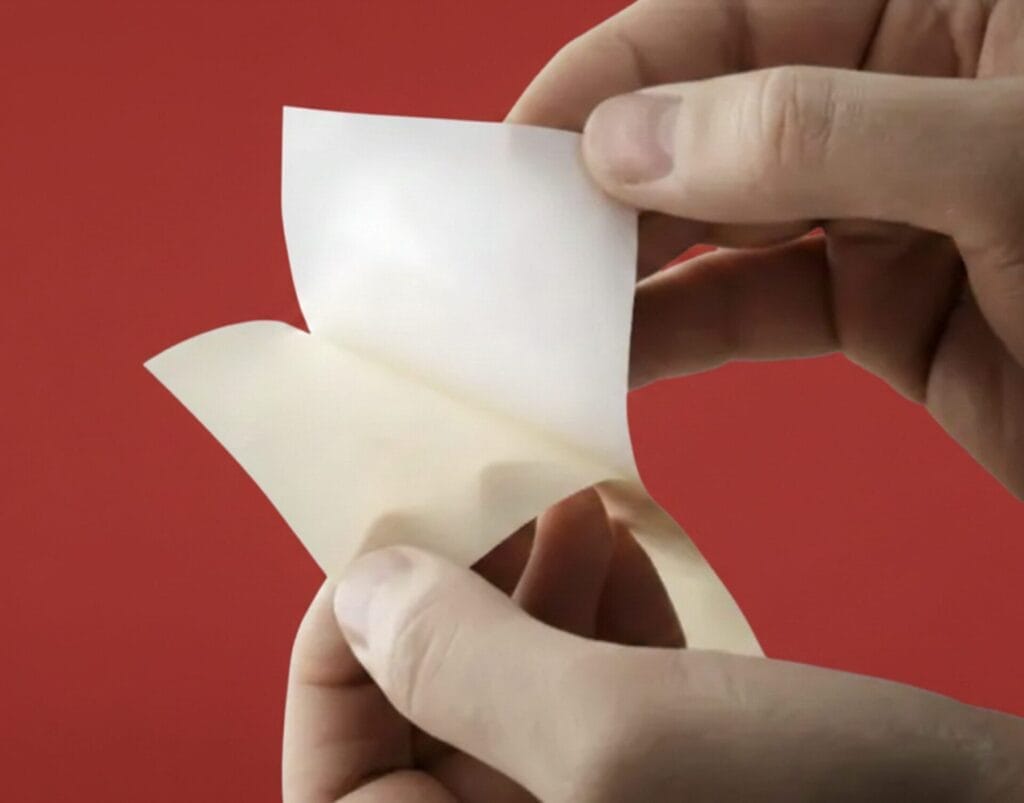
Working with pressure-sensitive products introduces you to one of the unsung heroes of the creative process: the silicone-coated release liner. Its job is simple but essential: protecting the adhesive backing until the exact moment of installation. After that, it’s usually discarded without a second thought.
But what if that release liner could have a second life?
As sustainability becomes an increasing priority across the print and signage industries, many businesses are asking how they can reduce waste without disrupting workflow. The answer may be closer than you think. Paper release liners are surprisingly versatile, and with a little creativity, they can be reused in ways that help save money, reduce waste, and improve shop efficiency.

Here are four practical ways to put them back to work:
1. Packaging and Shipping of Finished Goods
While release liners may not be suitable for direct-to-consumer packaging, they can help reduce the need for additional protective materials and extend the life of existing resources.
Common applications include:
- Separating printed adhesive sheets or decals
- Using as padding or void fill inside shipping boxes
- Wrapping around mounted canvas or digital prints to protect edges during transport
2. Testing Surfaces
Release liners are engineered to interact with adhesives, making them ideal for test applications. Rather than using fresh materials for every trial, liners can be repurposed to:
- Test adhesive tack and peel strength
- Trial new label designs or die-cut configurations
- Calibrate applicators or die-cut equipment
3. Surface Protection
Because release liners resist sticking, they can simplify cleanup and extend equipment life. To reduce immediate tack or adhesive build-up, consider using liners to:
- Line worktables during flatbed mounting or laminating
- Wrap laminator rollers to prevent adhesive residue
- Protect work surfaces during maintenance
- Place beneath printers during servicing or ink cartridge changes to catch potential spills
4. Tracing, Layouts, and Mock-ups
During the creative process, used release liners can be a valuable resource. Lightweight, easy to cut, and readily available, they are ideal for experimentation without added cost.
For creative planning and mock-ups, consider using liners to:
- Tape to walls to plan artwork placement and mark precise nail positions
- Use the reverse side of white liners for packaging mock-ups and prototypes
- White or kraft liners can support pattern tracing and LED signage layouts
Pressure-sensitive release liners may seem like disposable byproducts. However, by rethinking how they are handled after removal, they can reduce waste, lower costs, and support sustainability goals—without requiring new investment.
The next time you peel away a release liner, consider how it might be reused to maximize its value. Sustainability is not always about reinventing processes or purchasing new materials. Often, it begins with recognizing the potential in what is already in your hands.