Frequently Asked Questions
How can I use adhesives for windows effectively?
Using adhesives for windows effectively involves selecting the right product, such as WindowTac, ensuring surfaces are clean and dry, and applying the adhesive evenly for optimal adhesion and durability.
What are the advantages of temporary mounting solutions?
The advantages of temporary mounting solutions include flexibility, ease of removal, and minimal surface damage. They allow for quick adjustments and repositioning, making them ideal for temporary displays and graphics in various settings.
What is the best way to apply window tack for mounting?
The best way to apply WindowTac for mounting is to ensure the surface is clean and dry, then peel off the backing and carefully adhere the adhesive to the desired area, smoothing out any air bubbles for optimal adhesion.
What types of adhesives are best for windows?
The best types of adhesives for windows include clear mounting adhesives like WindowTac, which are specifically designed for face mounting graphics on non-porous surfaces, ensuring durability and a seamless finish.
How do I choose temporary mounting solutions?
Choosing temporary mounting solutions involves considering the surface type, the weight of the materials being mounted, and the duration of the display. Opt for adhesives that offer easy removal without residue for a hassle-free experience.
Can window tack be reused after removal?
WindowTac clear mounting adhesive cannot be reused after removal. Once it has been taken off, its adhesive properties diminish, making it ineffective for reapplication.

What surfaces are suitable for window adhesives?
The surfaces suitable for window adhesives include non-porous materials such as glass, acrylic, and polycarbonate. These surfaces allow for optimal adhesion and ensure a secure bond for your applications.
How long does window tack last?
The longevity of WindowTac depends on various factors such as environmental conditions and the surfaces it is applied to. Generally, it can last for several years when used correctly on non-porous surfaces.
Are there any safety concerns with window adhesives?
Safety concerns with window adhesives include potential fumes during application and the need for proper ventilation. Always follow manufacturer guidelines to ensure safe use and minimize any health risks.
What is the drying time for window adhesives?
The drying time for window adhesives varies based on the product and conditions. Typically, most window adhesives set within 24 hours, but full curing may take longer depending on humidity and temperature.
How do I remove window tack without damage?
Removing WindowTac without damage requires careful handling. Gently peel back a corner of the adhesive and slowly pull it away from the surface at a 45-degree angle. If residue remains, use a mild adhesive remover or rubbing alcohol to clean the area.
What are the best practices for applying window adhesives?
The best practices for applying window adhesives include ensuring the surface is clean and dry, applying the adhesive evenly, and using a squeegee to eliminate air bubbles. Additionally, follow manufacturer instructions for optimal results.
Can I use window tack outdoors?
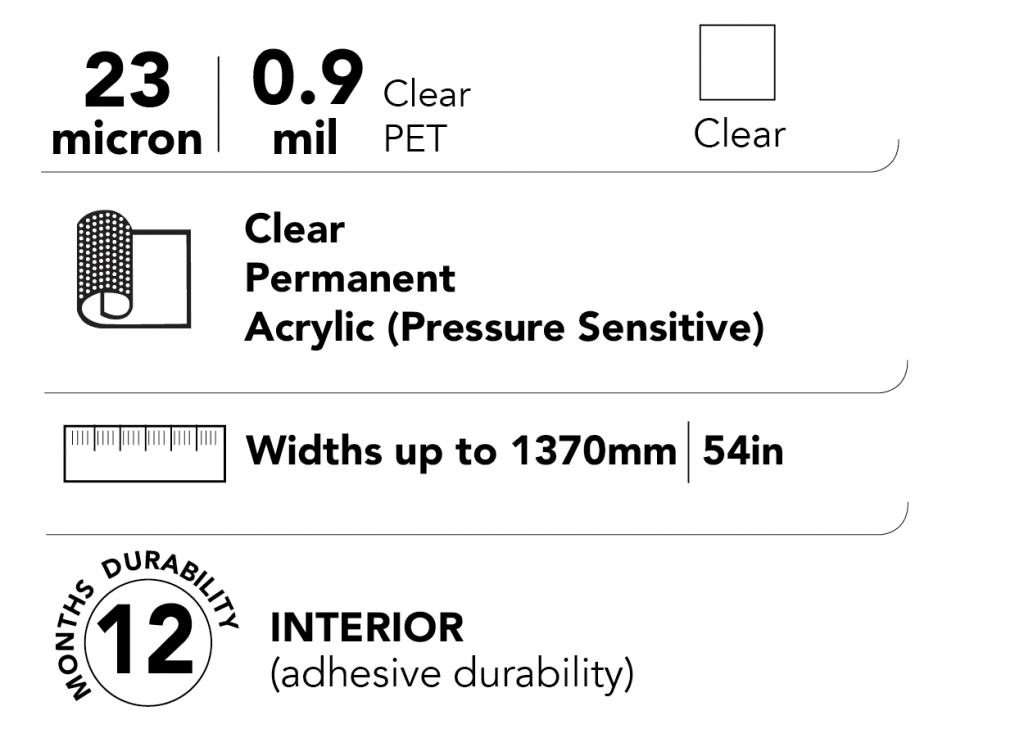
WindowTac is designed for indoor use and may not perform optimally outdoors due to exposure to weather elements. For outdoor applications, consider using adhesives specifically formulated for external conditions.
What is the weight limit for temporary mounting?
The weight limit for temporary mounting varies depending on the specific adhesive used and the application. Generally, it is recommended to adhere to a maximum weight of 5 to 10 pounds per square foot for optimal performance.
How do I clean surfaces before applying adhesives?
Cleaning surfaces before applying adhesives is essential for optimal adhesion. Use a mild detergent solution or isopropyl alcohol to remove dust, grease, and contaminants. Ensure the surface is dry and free of residues before application.
What are the benefits of using window tack?
The benefits of using WindowTac include its strong adhesion to non-porous surfaces, ease of installation, and ability to provide a clear, bubble-free finish for face mounting graphics, making it ideal for signage and displays.
How does temperature affect adhesive performance?
Temperature significantly impacts adhesive performance by influencing its viscosity and bond strength. High temperatures may accelerate curing but can also weaken adhesion, while low temperatures can hinder bonding and lead to brittleness.
Can window adhesives be used on glass?
Window adhesives can effectively be used on glass surfaces. They provide a strong bond, making them ideal for applications such as mounting graphics or signage on windows.
What is the difference between permanent and temporary adhesives?
The difference between permanent and temporary adhesives lies in their bond strength and intended use. Permanent adhesives create a long-lasting bond, while temporary adhesives allow for repositioning or removal without damage, making them ideal for short-term applications.
How do I store window adhesives properly?
Proper storage of window adhesives involves keeping them in a cool, dry place away from direct sunlight and extreme temperatures. Ensure the containers are tightly sealed to prevent drying out or contamination.
What are common applications for window tack?
Common applications for WindowTac include face mounting graphics on non-porous surfaces, such as glass and acrylic, as well as creating temporary displays and signage in retail environments.
How do I test adhesive strength before use?
Testing adhesive strength before use involves applying the adhesive to a small, inconspicuous area and allowing it to cure as per the manufacturer's instructions. Then, assess the bond by attempting to peel it away; a strong hold indicates effective adhesion.
What is the best way to apply window tack?
The best way to apply WindowTac is to first clean the surface thoroughly, then peel back a portion of the backing, carefully position the adhesive, and gradually remove the backing while smoothing out air bubbles for a secure bond.
Are there eco-friendly options for window adhesives?
Eco-friendly options for window adhesives do exist, including products made from natural materials or those that are low in volatile organic compounds (VOCs). These adhesives provide strong performance while minimizing environmental impact.
How do I troubleshoot adhesive application issues?
Troubleshooting adhesive application issues involves checking surface cleanliness, ensuring proper temperature and humidity, and confirming correct adhesive usage. Adjust these factors as needed to achieve optimal adhesion and performance.
What is the shelf life of window adhesives?
The shelf life of window adhesives typically ranges from 12 to 24 months when stored in a cool, dry place. Always check the manufacturer's guidelines for specific recommendations.
Can I paint over temporary mounting solutions?
Painting over temporary mounting solutions is generally not recommended, as the paint may not adhere well and could affect the adhesive's performance. It's best to use the surface as intended for optimal results.
What tools are needed for applying window tack?
The tools needed for applying WindowTac include a clean, flat surface for application, a utility knife for trimming, a squeegee or roller for smoothing, and a measuring tape for accurate placement.
How do I ensure a clean adhesive application?
Ensuring a clean adhesive application involves preparing the surface by cleaning it thoroughly to remove dust, grease, and debris. Use a lint-free cloth and a suitable cleaner to achieve optimal adhesion results.
What are the most popular brands of window adhesives?
The most popular brands of window adhesives include Drytac, 3M, and Avery Dennison, known for their high-quality products suitable for various applications in the graphic arts and signage industries.