Frequently Asked Questions
None - Inadequate instructions for questions?
The issue of inadequate instructions for questions indicates a need for clearer guidance. To improve understanding, we recommend providing detailed instructions and examples for users to formulate their inquiries effectively.
What are the benefits of laminating films?
The benefits of laminating films include enhanced protection against wear and tear, moisture, and UV damage, as well as improved appearance and durability of printed materials, making them ideal for various applications in both professional and personal settings.
How do laminating films enhance printed materials?
Laminating films enhance printed materials by providing a protective layer that guards against wear, moisture, and UV damage, while also improving visual appeal and durability, ensuring that prints remain vibrant and intact over time.
What types of laminating films are available?
The types of laminating films available include general-purpose films, specialty films with antimicrobial protection, and various finishes like gloss, matte, and satin, catering to diverse applications and enhancing the durability of printed materials.
How does tear-resistant lamination work?
Tear-resistant lamination works by applying a durable, flexible film over printed materials, enhancing their strength and resistance to tearing. This process involves using specialized adhesives that bond the film securely, providing protection against wear and damage.
What applications are best for laminating films?
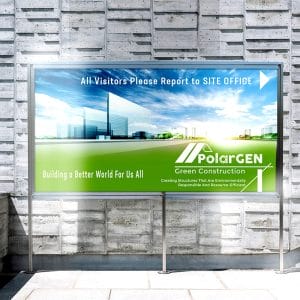
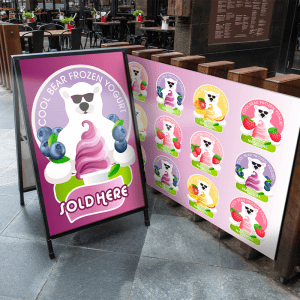
The best applications for laminating films include protecting printed materials such as posters, menus, and brochures, enhancing durability against wear and tear, and providing a professional finish for graphics and signage.
Can laminating films protect against moisture?
Laminating films can provide protection against moisture. By creating a barrier over printed materials, they help prevent water damage, ensuring durability and longevity in various environments.
What is the lifespan of laminating films?
The lifespan of laminating films varies based on the type and usage, typically ranging from 1 to 5 years. Factors such as environmental conditions and the nature of the application can also influence durability.
How to choose the right laminating film?
Choosing the right laminating film involves considering the specific application, desired finish, durability requirements, and any additional features like UV protection or antimicrobial properties. Evaluate these factors to ensure optimal protection and enhancement of your printed materials.
Are there eco-friendly laminating film options?
Eco-friendly laminating film options are available at Drytac, designed to minimize environmental impact while providing effective protection for printed materials. These films are made from sustainable materials, ensuring both performance and eco-conscious choices.
What is the process of applying laminating films?
The process of applying laminating films involves first selecting the appropriate film type, then aligning the printed material with the film. Finally, use a laminating machine to heat and press the film onto the material, ensuring a secure bond.
How do laminating films affect print quality?
Laminating films significantly enhance print quality by providing a protective layer that prevents fading, moisture damage, and wear. This not only preserves the vibrancy of colors but also improves the overall durability and longevity of printed materials.
What thickness options are available for laminating films?
The thickness options available for laminating films vary to meet different application needs, typically ranging from 1.5 mil to 10 mil. This selection allows users to choose the appropriate level of durability and protection for their printed materials.
Can laminating films be used for photos?
Laminating films can indeed be used for photos. They provide a protective layer that enhances durability and prevents fading, making them ideal for preserving cherished images.
What is the difference between matte and glossy laminating films?
The difference between matte and glossy laminating films lies in their finish and appearance. Matte films provide a non-reflective surface that reduces glare, while glossy films offer a shiny, reflective finish that enhances colors and sharpness.
How do I store laminating films properly?
Proper storage of laminating films is essential for maintaining their quality. Store them in a cool, dry environment away from direct sunlight and extreme temperatures, preferably upright and in their original packaging to prevent damage.
What are common uses for tear-resistant lamination?
Common uses for tear-resistant lamination include protecting maps, menus, and educational materials, as well as enhancing durability for signage and labels in high-traffic environments. This lamination ensures longevity and resistance to wear and tear.
How do laminating films resist tearing?
Laminating films resist tearing due to their robust construction and the use of high-quality materials that provide added strength and flexibility, ensuring they can withstand stress and protect the underlying printed materials effectively.
What is the cost range for laminating films?
The cost range for laminating films varies depending on the type and application, typically ranging from $50 to $300 per roll, with specialized films potentially costing more.
How can I remove laminating films?
Removing laminating films can be done by gently peeling them away from the surface. If the film is stubborn, using a heat source like a hairdryer can help soften the adhesive for easier removal.
What are the safety considerations for laminating films?
The safety considerations for laminating films include ensuring that the materials used are non-toxic, avoiding exposure to high temperatures during lamination, and following manufacturer guidelines to prevent harmful fumes or reactions.
How do laminating films impact color vibrancy?
Laminating films significantly enhance color vibrancy by providing a glossy or matte finish that can intensify hues and contrast. This protective layer also prevents fading, ensuring that printed materials maintain their visual appeal over time.
What is the best way to cut laminating films?
The best way to cut laminating films is to use a sharp utility knife or a rotary cutter for clean, precise edges. Ensure the film is laid flat on a cutting mat to avoid damage and achieve accurate measurements.
Can laminating films be recycled?
Laminating films can be challenging to recycle due to their plastic composition and adhesive layers. It's best to check with local recycling facilities for specific guidelines regarding their disposal.
What are the features of antimicrobial laminating films?
The features of antimicrobial laminating films include their ability to inhibit the growth of bacteria and other microbes, providing enhanced protection for printed materials. These films are ideal for high-traffic areas, ensuring cleanliness and durability.
How do I troubleshoot laminating film issues?
Troubleshooting laminating film issues involves checking for proper temperature settings, ensuring film alignment, and inspecting for any debris on the rollers. Adjust these factors to achieve optimal lamination results.
What is the difference between cold and hot lamination?
The difference between cold and hot lamination lies in the application process. Cold lamination uses pressure-sensitive adhesives, while hot lamination involves heat to activate the adhesive, providing a stronger bond and a glossy finish.
How do laminating films protect against UV light?
Laminating films protect against UV light by creating a barrier that absorbs and reflects harmful ultraviolet rays, thereby preventing fading and degradation of printed materials. This enhances their longevity and maintains vibrant colors.
What are the best practices for laminating documents?
The best practices for laminating documents include selecting the appropriate laminate thickness, ensuring the document is clean and dry, and using a laminator set to the correct temperature for optimal adhesion.
How do I clean laminated surfaces?
Cleaning laminated surfaces involves using a soft cloth and a mild detergent mixed with water. Gently wipe the surface to remove dirt and stains, avoiding abrasive cleaners that could damage the laminate.